Ground Floor Condo Living: More Than Just Easy Access
There’s a lot to love about ground floor condo living in California, isn’t there? You get that super easy access – no stairs to climb with groceries, maybe a little patio garden, and often a bit more space. For many folks in places like Ventura County or the Inland Empire, it feels like getting some of the benefits of a house without all the upkeep. And honestly, it often *is* a great setup.
But here’s the thing: while the lifestyle might feel simpler, insuring that ground floor unit is often a bit more complex than you might think. It’s not just about protecting your stuff; it’s about understanding the unique risks that come with being right there on the ground. Your next-door neighbor on the third floor has a completely different set of worries than you do. Big difference.
What’s Your HOA’s Master Policy Actually Cover? (Probably Not Enough)
Most condo owners assume their Homeowners Association (HOA) master policy has them completely covered. And why wouldn’t you? You pay those HOA dues every month. But here’s where it gets interesting. That master policy, while it’s absolutely necessary, often leaves significant gaps, especially for ground floor units.
Think of it this way: the HOA policy is like the building’s skeleton. It covers the common areas – the roof, the exterior walls, the shared hallways, that pool everyone loves. But what about *your* specific unit, the one with your favorite couch and that new kitchen backsplash? That’s where things get blurry, and it depends heavily on the type of master policy your HOA carries.
The “Bare Walls” Conundrum
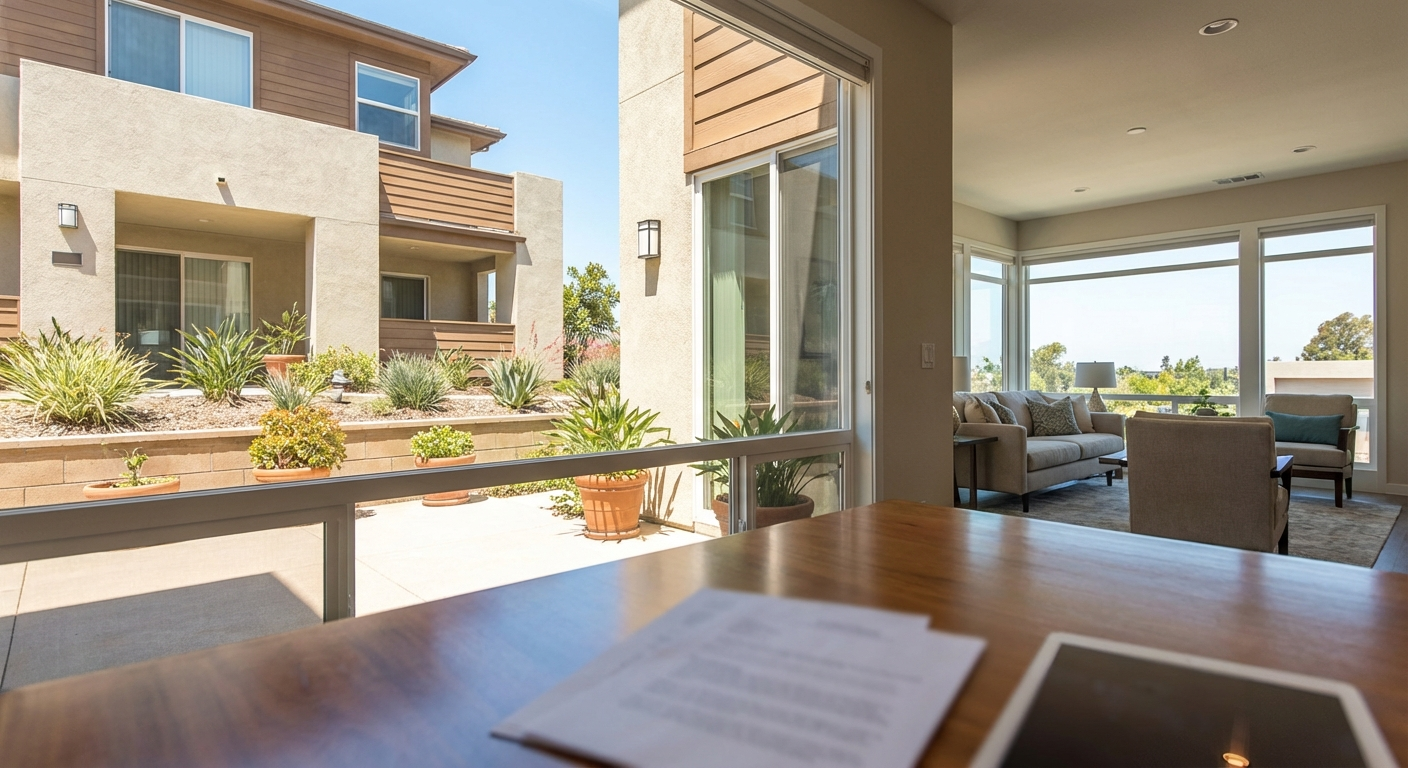
Many HOAs, particularly in older developments or more budget-conscious communities, operate under what’s called a “bare walls” or “studs-out” master policy. What does that actually mean for you? It means the HOA policy stops at the unfinished interior walls of your unit.
So, if there’s a fire or a major water leak, the HOA policy might rebuild the studs, sure. But everything inside those studs – your flooring, your cabinets, the paint on your walls, even your light fixtures – that’s all on you. For a ground floor unit, where repairs can be extensive, this can quickly add up to tens of thousands of dollars out of your pocket. You wouldn’t want to find that out after a disaster, would you?
The “All-In” Illusion
Then there are the HOAs with “all-in” or “all-inclusive” master policies. This sounds fantastic, right? Like it covers everything. And it certainly covers more than a “bare walls” policy. An “all-in” policy typically includes original fixtures, appliances, and improvements within your unit.
But wait — it’s not truly “all-in.” It still won’t cover your personal belongings – your clothes, your furniture, your electronics, that expensive art print you bought in Laguna Beach. And it certainly won’t cover your liability if someone gets hurt inside your unit. Nor will it pay for you to live somewhere else if your condo becomes uninhabitable after a covered loss. That’s not the whole story. Even with an “all-in” HOA policy, you still need your own HO-6 policy to fill these crucial gaps.
Water Damage: The Ground Floor’s Arch-Nemesis
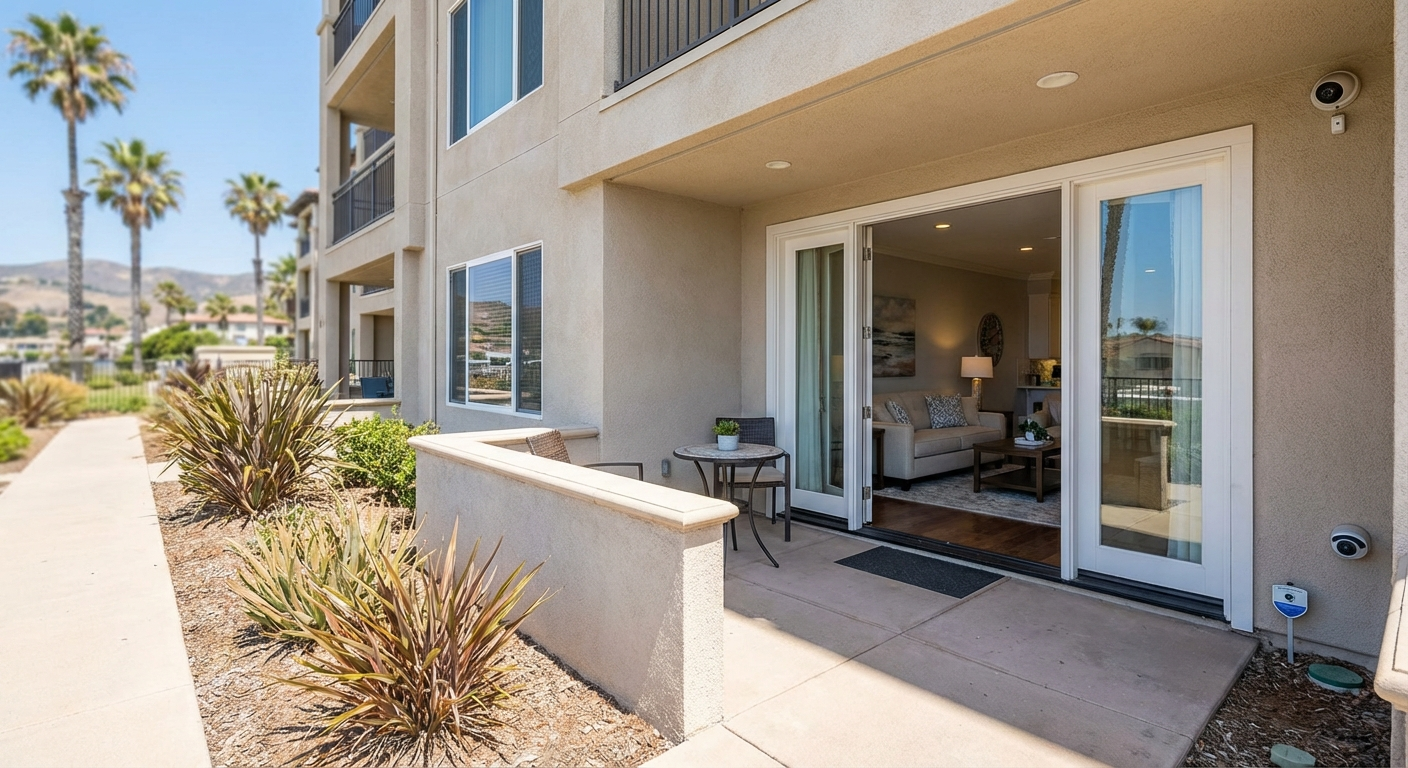
This is probably the biggest difference for ground floor units. Water damage is a massive concern. Up on the third floor, you might worry about a leaky roof. But down on the ground, you’re at risk from above *and* below *and* around you.
Think about it: a burst pipe in the unit above you, or even a bathtub overflowing, can send water cascading down into your unit. And in California, with our often unpredictable heavy rain seasons – remember those atmospheric rivers hitting the Valley last winter? – ground floor units are just naturally more exposed to external flooding. We’re talking about water seeping under doors, through foundation cracks, or even through shared walls if drainage outside isn’t perfect. Then there are slab leaks – those sneaky pipe bursts under your concrete foundation – which can cause incredible damage before you even know they’re there.
Sewer Backup and Sump Pump Overflow
Here’s a specific type of water damage that most people don’t think about until it’s too late: sewer backup. For ground floor units, this is a very real, and very disgusting, risk. If the main sewer line gets clogged or overwhelmed – maybe from heavy rains or an issue with the building’s plumbing system – sewage can back up into your toilets, sinks, and showers.
Most standard HO-6 policies don’t automatically cover this kind of damage. You almost always need a specific endorsement, an extra bit of coverage, to protect against sewer backup and sump pump overflow. Given the potential health hazards and the sheer cost of remediation, this isn’t something you want to skip.
Burglary & Vandalism: An Unfortunate Reality
It’s an uncomfortable truth, but ground floor units can sometimes be easier targets for burglars and vandals. With windows and doors often directly accessible from outside, there’s a perceived increase in risk compared to a unit several floors up.
While many complexes have security measures, a determined individual might still find a way in. This means your personal property coverage needs to be robust enough to replace everything you own, should the worst happen. And if a thief causes damage getting in or out – broken windows, forced doors – that’s where your dwelling coverage (if your HOA policy doesn’t cover it) and personal property coverage come into play.
Understanding Your HO-6 Policy: Your Personal Safety Net
So, what exactly *is* an HO-6 policy? It’s your individual condo insurance policy, designed specifically for condo owners. It’s the piece of the puzzle that covers what your HOA master policy doesn’t. And for ground floor units, it’s absolutely essential.
An HO-6 policy typically breaks down into a few key coverages:
* **Dwelling Coverage (Coverage A):** This protects the interior structure of your unit – those improvements, fixtures, and appliances that aren’t covered by the HOA master policy.
* **Personal Property (Coverage C):** This covers your belongings, from your furniture and clothes to your electronics and kitchenware.
* **Loss of Use (Coverage D):** If a covered peril makes your condo unlivable, this pays for your temporary living expenses – hotel bills, extra food costs – while your unit is being repaired.
* **Personal Liability (Coverage E):** This protects you financially if someone gets injured in your unit or if you accidentally cause damage to someone else’s property.
* **Medical Payments (Coverage F):** This covers smaller medical bills for guests injured in your unit, regardless of who was at fault.
Dwelling Coverage (Coverage A) for Ground Floor Units
This is where you bridge the gap with your HOA’s master policy. If your HOA has a “bare walls” policy, your Coverage A needs to be substantial enough to rebuild everything from the studs inward. If it’s an “all-in” policy, you still need Coverage A for any upgrades you’ve made – that fancy new kitchen, the hardwood floors you installed, the custom built-ins. Most HOAs won’t cover those improvements.
Personal Property (Coverage C) – Don’t Skimp Here
Honestly, most people underestimate the value of their belongings. Walk through your ground floor condo unit, room by room, and mentally tally up what it would cost to replace everything. Not what it’s worth used, but what it would cost to buy brand new. That’s called “replacement cost value,” and it’s what you want your policy to have. You’ll want to make sure your coverage limits are high enough. You don’t want to be short-changed after a flood or a break-in.
The Shifting Sands of California Insurance
It’s no secret the California insurance market has been a bit wild lately. Between the increased frequency of wildfires – and the concerns over potential future events like the 2025 LA fires – and the rising cost of materials and labor, many insurers are getting nervous. Some big names like State Farm and Allstate have pulled back from offering new policies in certain high-risk areas. Farmers and AAA are adjusting their underwriting.
What does this mean for you? Premiums have jumped. We’ve seen some premiums for HO-6 policies jump 40% between 2022 and 2024, sometimes even more. It also means finding coverage can be harder. The California FAIR Plan, our state’s “insurer of last resort,” has seen a huge increase in policyholders. While it’s there to make sure everyone can get basic fire coverage, it often doesn’t offer the broad protection or competitive pricing of a traditional HO-6 policy. Prop 103, which regulates insurance rates, adds another layer of complexity to these market dynamics. You need an agent who understands these changes and can help you find options.
Getting the Right Quote for Your Ground Floor Condo
Finding the right HO-6 policy for your ground floor unit isn’t just about getting the cheapest rate. It’s about getting the *right* coverage – the one that protects you from those specific risks we’ve talked about. You’ll need to know your HOA’s master policy type, the value of your personal belongings, and any upgrades you’ve made to your unit.
That’s where an independent insurance agent comes in. They work with multiple carriers, not just one, and can shop around to find the best fit for your unique situation. Someone like Karl Susman at Condo Insurance California, CA License #OB75129, has years of experience helping Californians navigate these waters. He knows the ins and outs of ground floor condo risks.
Ready to see what options are out there for your California condo? Get a personalized quote today and make sure you’re truly protected. Click here to get a quote!
Don’t Wait Until It’s Too Late
Your condo is a significant investment, and your peace of mind is invaluable. Don’t wait until a flood pushes through your patio door or a pipe bursts in the unit above to discover you’re underinsured. Review your policy annually, understand your HOA’s master policy, and make sure your HO-6 policy is tailored to your ground floor unit’s specific needs. It’s too important to leave to chance.
If you’ve got questions, or just want to talk through your options, don’t hesitate. Karl Susman and the team at Condo Insurance California are here to help. You can reach us at (877) 411-5200.
Make sure your ground floor sanctuary is properly covered. Find out how affordable comprehensive protection can be. Get your personalized condo insurance quote now!
Frequently Asked Questions About Ground Floor Condo Insurance
Is ground floor condo insurance more expensive than for upper units?
Sometimes, yes. Because ground floor units face unique risks like increased susceptibility to water damage from external sources (heavy rains, drainage issues) and potentially higher risk of burglary, insurers might factor these into the premium. It really depends on the specific building, location, and individual carrier.
Do I really need flood insurance for my ground floor condo?
Most standard HO-6 policies don’t cover flood damage – that’s typically defined as water from outside sources like overflowing rivers or storm surges. If your condo is in a designated flood zone, or even near one, you absolutely should consider a separate flood insurance policy through the National Flood Insurance Program (NFIP) or a private insurer. It’s a different animal than water damage from a burst pipe.
My HOA has an “all-in” master policy. Do I still need my own HO-6 policy?
Yes, absolutely. Even an “all-in” HOA policy won’t cover your personal belongings, your personal liability if someone is injured in your unit, or your living expenses if your condo becomes uninhabitable. It also won’t cover any upgrades or improvements you’ve made beyond the original build. Your HO-6 policy fills those crucial gaps.
What’s the difference between “replacement cost” and “actual cash value” for my personal property?
Big difference. “Replacement cost” pays you what it would cost to buy a brand new item to replace your damaged or stolen property, without deducting for depreciation. “Actual cash value” pays you the depreciated value of the item, meaning what it was worth at the time of the loss. You almost always want replacement cost coverage for your personal property; it gives you far more financial protection.
How often should I review my condo insurance policy?
You should review your policy at least once a year, or any time you make significant improvements to your unit, purchase expensive new belongings, or your HOA changes its master policy. The insurance market in California is always changing, so an annual check-up ensures your coverage keeps pace with your needs and the current market.
This article is for informational purposes only and does not constitute financial advice.