Your Condo, the Flames, and California’s Reality
Living in a California condo offers a certain lifestyle. Maybe it’s the convenience, the shared amenities, or just the peace of mind that someone else handles the exterior maintenance. But here’s the thing: that peace of mind often goes up in smoke — quite literally — when wildfire season hits. Our state sees more than its fair share of flames. From the hills of Ventura County to the dry expanses of the Inland Empire, fire isn’t just a possibility; it’s a persistent threat. You’ve got to wonder, what actually happens if your condo catches fire? Who pays for what? It’s not as simple as owning a single-family home. Not by a long shot.
What Your HOA Master Policy Covers (and Doesn’t)
Every condo building in California has a homeowners association (HOA) master insurance policy. That’s a given. This policy protects the building itself and the common areas. Think the roof, the exterior walls, the shared gym, the swimming pool. But what about your actual unit? This is where it gets tricky.
Some master policies are “bare walls-in” or “walls-out.” This means they cover the structure from the studs out, including the original fixtures like standard cabinets, basic flooring, and standard appliances that came with the unit. Anything you’ve upgraded or added? That’s probably on you. Other policies are “all-in” or “single entity.” They might cover more of the interior, including some improvements, but they still won’t cover your personal stuff.
Regardless of the type, the HOA’s master policy *never* covers your personal belongings. It won’t pay for your furniture, your clothes, your electronics, or that expensive art print you love. And it certainly won’t cover your living expenses if you’re forced out of your home. Which brings up something most people miss. You could also be on the hook for a portion of the master policy’s deductible if there’s a big loss. These deductibles can be huge, sometimes $25,000 or even $50,000. If the HOA assesses each unit owner a share of that, you’ll need your own policy to cover it.
Your Personal Policy: The HO-6
That’s where your personal condo insurance policy, known as an HO-6, steps in. This is your safety net, specifically designed for condo owners. It fills the gaps left by the HOA’s master policy. You absolutely need one. Especially in California, with fire risks running high.
An HO-6 policy should cover several key things. First, the interior of your unit. Second, your personal property. Third, your personal liability if someone gets hurt in your condo. And fourth, additional living expenses if you can’t live at home after a covered loss. For fire damage, each of these components becomes critically important.
Interior Damage: Beyond the Bare Walls
Let’s say a fire rips through your building. The HOA’s policy might rebuild the structural walls. But what about your custom kitchen cabinets? The hardwood floors you installed? The fresh paint job in your living room? Your HO-6 policy is designed to cover these items, often referred to as “improvements and betterments.”
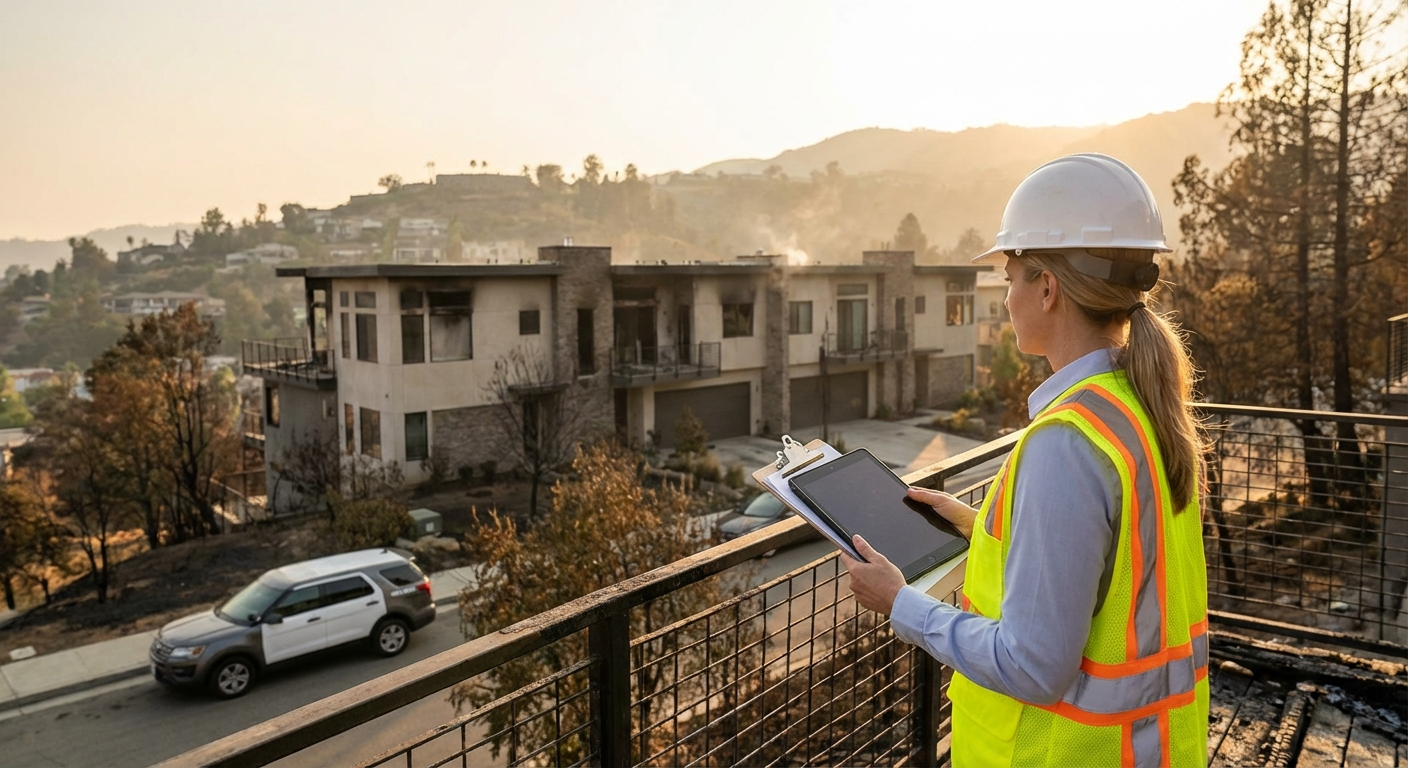
Smoke damage is another big one. Even if the flames don’t touch your unit, smoke can permeate everything. Walls, carpets, furniture, clothes. Cleaning up smoke damage is expensive and time-consuming. Your HO-6 should cover the cost to clean or replace these damaged interior surfaces and personal items. Also, remember the water. Firefighters use a lot of it. Water damage from extinguishing a fire is usually covered under your HO-6 as well. It’s a double whammy sometimes.
Personal Property: Everything You Own
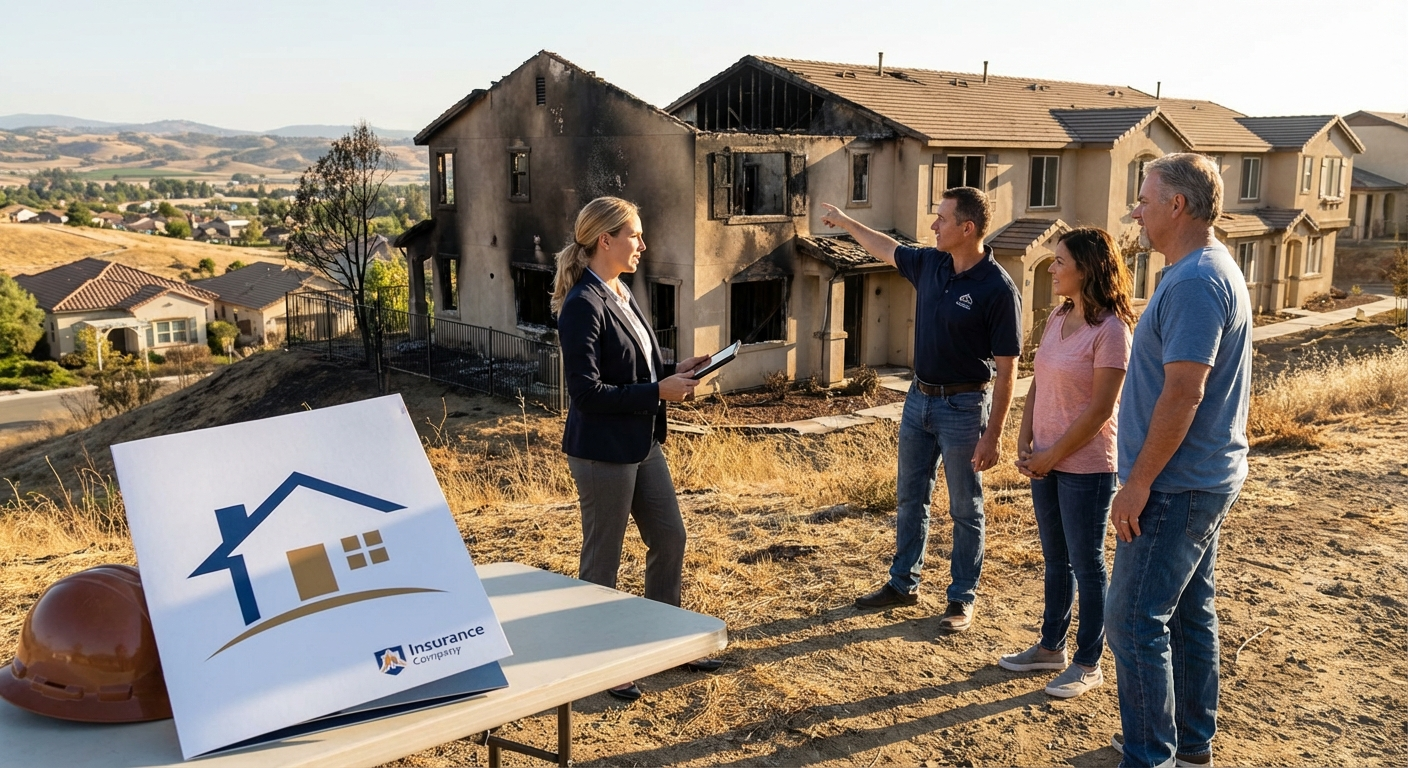
This is the stuff that makes your condo *yours*. Your couch, your TV, your clothes, your dishes, your books. A fire can destroy all of it in minutes. Your HO-6 policy will help you replace these items.
When you’re looking at coverage, pay attention to “replacement cost value” versus “actual cash value.” Replacement cost pays to replace an item with a new one, without deducting for depreciation. Actual cash value pays what the item was worth *at the time of the fire* – which is usually much less. Always aim for replacement cost coverage for your personal property. It’s a no-brainer. Do you know how much your stuff is worth? Most people underestimate it by a lot. Take an inventory. Seriously.
Loss of Use: Where Will You Go?
Imagine your condo is uninhabitable after a fire. Where do you sleep? What do you eat? How do you get to work? This is where “Loss of Use” or “Additional Living Expenses” (ALE) coverage kicks in. Your HO-6 policy will pay for things like a hotel stay, a temporary rental, restaurant meals, and other increased living costs while your condo is being repaired or rebuilt.
This coverage is absolutely essential. California housing isn’t cheap. A few weeks in a hotel can drain your savings fast. Make sure your ALE limit is high enough to cover several months of expenses. You don’t want to be scrambling for a place to live while also dealing with the aftermath of a fire.
The Elephant in the Room: California’s Fire Crisis
Honestly, trying to get condo insurance in California right now feels like a game of whack-a-mole. The state’s wildfire situation has gotten worse. Just look at the headlines from the past few years – devastating fires tearing through areas like Paradise, parts of the Santa Monica Mountains, and even suburban tracts in the Inland Empire. Experts are already talking about the potential for major fires in the urban-wildland interface around Los Angeles in 2025. It’s not a matter of “if,” but “when” and “where.”
This has spooked insurers. Big names like State Farm, AAA, and Farmers have either stopped writing new policies in certain high-risk areas or significantly scaled back their offerings. Many have also hiked premiums dramatically. We’ve seen premiums jump 40% or more between 2022 and 2024 for some properties, especially those in brush fire zones. It’s a tough market.
The FAIR Plan: A Last Resort, But a Necessary One
If you find yourself in a situation where traditional insurers won’t cover your condo due to fire risk, California has a fallback: the FAIR Plan. This is the state’s “insurer of last resort.” It’s designed to provide basic property insurance for those who can’t get it elsewhere.
The FAIR Plan *will* cover fire damage. But wait — it’s not a full HO-6 policy. It’s a bare-bones policy, usually just covering the dwelling and some personal property, often with lower limits and higher deductibles than a standard policy. You’ll likely need to “wrap” it with a separate Difference in Conditions (DIC) policy from another insurer to get liability coverage and better personal property protection. It’s a complicated setup, but sometimes it’s the only option. Recent changes to the FAIR Plan and ongoing discussions around Prop 103 show just how much pressure the state’s insurance market is under.
Understanding Your Deductibles and Assessments
Let’s talk money. Specifically, deductibles. Your HOA’s master policy will have a deductible, often quite high. If a fire causes $100,000 in damage to the building, and the master policy has a $25,000 deductible, the HOA has to pay that first. They’ll often pass that cost directly to the unit owners through a “loss assessment.”
Your HO-6 policy needs to have “loss assessment coverage.” This will pay your share of that master policy deductible or other uninsured losses the HOA charges back to you. Without it, that $5,000 or $10,000 assessment could come straight out of your pocket. That’s a nasty surprise nobody wants.
Getting the Right Coverage: It’s Not DIY
All of this — the different types of master policies, the HO-6 components, the specific fire risks, the FAIR Plan complexities — means that getting condo insurance in California isn’t a DIY project. It’s too important to guess. You need an expert who understands the nuances of California’s market and can help you tailor a policy that truly protects you.
That’s where an independent agent like Karl Susman of Condo Insurance California comes in. With CA License #OB75129, Karl and his team specialize in cutting through the confusion. They can review your HOA’s master policy, assess your specific risks, and find the right HO-6 coverage for your condo. They work with multiple insurers, not just one, which means they can shop around for the best options, even in today’s tough market.
Ready to get a clear picture of your condo insurance needs? Don’t guess. Talk to an expert. Get a personalized quote today: https://condoinsurancecalifornia.com/quote/
What to Do *Before* a Fire Strikes
Preparation is key. First, get a copy of your HOA’s master insurance policy and understand what it covers – and what it *doesn’t*. Don’t just assume. Second, create a detailed inventory of your personal belongings. Take photos, videos, and keep receipts for expensive items. Store this information off-site or in the cloud. It makes filing a claim much easier. Third, review your HO-6 policy annually. Make sure your coverage limits are still adequate, especially for personal property and additional living expenses. Your life changes, your policy should too.
Protecting your home and finances from California’s fire risks means being prepared. Start by understanding your options. Reach out for a quote: https://condoinsurancecalifornia.com/quote/
FAQ: Common Questions About Condo Fire Insurance in California
-
Does my HOA master policy cover everything if there’s a fire?
No, not usually. The HOA’s master policy covers the building’s structure and common areas. It won’t cover your personal belongings, your unit’s interior upgrades (like custom cabinets or flooring), or your living expenses if you have to move out. That’s why your personal HO-6 policy is so important.
-
What if my condo is uninsurable due to fire risk?
If private insurers won’t offer you coverage because your condo is in a high-risk fire zone, you can usually turn to the California FAIR Plan. It’s an “insurer of last resort” that provides basic fire coverage. You might need to add a “Difference in Conditions” (DIC) policy to get full liability and personal property protection.
-
How much personal property coverage do I really need?
It depends on how much stuff you own! Most people underestimate the value of their belongings. Take an inventory of everything in your condo, including furniture, electronics, clothes, and kitchenware. Aim for “replacement cost” coverage so you can replace items with new ones, not just their depreciated value.
-
Is smoke damage covered by my condo insurance?
Yes, typically. Even if a fire doesn’t directly touch your unit, smoke can cause extensive damage to walls, carpets, furniture, and personal items. Your HO-6 policy should cover the costs to clean or replace these items due to smoke damage.
-
What’s a “loss assessment” and why should I care?
A loss assessment is when your HOA charges unit owners a share of a master policy deductible or other uninsured costs after a major loss, like a fire. If the master policy has a $50,000 deductible, for example, the HOA might assess each unit owner $5,000. Your HO-6 policy can include “loss assessment coverage” to pay for these charges, protecting you from a big out-of-pocket expense.
This article is for informational purposes only and does not constitute financial advice.