Water Worries in Your California Condo? What Your HO-6 Policy Actually Covers
You bought a condo in California. Maybe it’s a cozy spot in Ventura, or a sleek unit overlooking the Bay, or a new build out in the Inland Empire. It’s yours. It’s home. But then something happens. A pipe bursts upstairs. Your water heater decides to call it quits. Suddenly, there’s water where it absolutely shouldn’t be. You probably assume your insurance will cover it. The short answer is yes. The real answer, though, is far more complicated, and honestly, it’s where a lot of condo owners get tripped up.
I hear the stories all the time. People call, completely stressed, after a flood. They thought they were covered. They thought their HOA’s master policy would take care of everything. And then the bills start piling up. It’s a truly terrible feeling, that knot in your stomach when you realize you might be on the hook for thousands, or even tens of thousands, of dollars. Let’s try to clear up some of that confusion. Because in California, especially now, understanding your condo insurance – your HO-6 policy – when it comes to water damage isn’t just a good idea; it’s absolutely essential.
Master Policy vs. Your HO-6: The Big Divide
Here’s where it gets interesting. Every condo association has a master insurance policy. This policy usually covers the building’s common areas – think the roof, the exterior walls, the hallways, the gym, the lobby. It also often covers the structure of your individual unit, but here’s the catch: how much of your unit’s structure? This is where the term “all-in,” “bare walls-in,” or “single entity” comes into play, and it makes a huge difference for water damage.
A “bare walls-in” policy, for instance, means the master policy covers the bare bones: the drywall, the studs, the subflooring. Everything else inside your unit – your countertops, your fancy flooring, your cabinets, your built-in shelves – that’s on you. A “single entity” or “all-in” policy usually covers more, sometimes even those permanent fixtures within your unit. But wait — no matter what the master policy covers, it rarely, if ever, covers your personal belongings or your liability if you cause damage to another unit.
That’s where your HO-6 policy steps in. It’s your personal condo insurance. It fills the gaps left by the master policy. For water damage, this is particularly important. Your HO-6 will cover your personal property – your furniture, clothes, electronics – if they’re damaged by a covered water event. It also covers improvements you’ve made to your unit, like that expensive new hardwood floor, if the master policy doesn’t. And crucially, it provides liability coverage, which we’ll discuss in a moment.

Not All Water Damage Is Created Equal
Honestly, this is the part that causes the most heartache. Because when water damage happens, people assume “water damage is water damage.” Not always. Insurance companies make a big distinction between sudden and accidental water damage versus damage that happens over time.
Think about it this way: A sudden burst pipe? That’s typically covered. Your upstairs neighbor’s washing machine hose detaches and floods your unit? That’s usually covered. A broken water heater that dumps gallons of water onto your floor? Yes, generally covered.
But what if there’s a slow leak under your sink that you didn’t notice for months? What if condensation has been building up behind a wall, slowly rotting the wood? That’s gradual damage. And generally, HO-6 policies don’t cover gradual damage. Why? Because insurance is for sudden, unforeseen events, not for maintenance issues that could have been prevented. It feels unfair sometimes, especially when you honestly didn’t know about the leak. But that’s the hard truth of how these policies are written.
Where Did the Water Come From? It Matters. A Lot.
This might seem obvious, but the source of the water damage dictates who pays. If a pipe bursts inside your walls and only damages your unit, your HO-6 policy would typically respond to your personal property and any improvements not covered by the master policy. The master policy would likely cover the structural damage to the building itself.
But here’s the kicker: What if the water comes from your unit and damages the unit below you? This happens more than you’d think. Maybe your toilet overflows, or a dishwasher hose breaks. Your HO-6 policy’s liability coverage is absolutely essential here. It would help pay for the damage to your neighbor’s unit and their belongings, as well as any structural damage not covered by the master policy. Without this, you could be facing a lawsuit and directly paying for those repairs out of your own pocket. Big difference.
What if the water comes from a common area, like a burst pipe in the hallway, or the roof leaks? Then the master policy typically takes the lead for structural damage. Your HO-6 would still cover your personal belongings. It’s a dance, really, between the two policies.
The Dreaded Loss Assessment
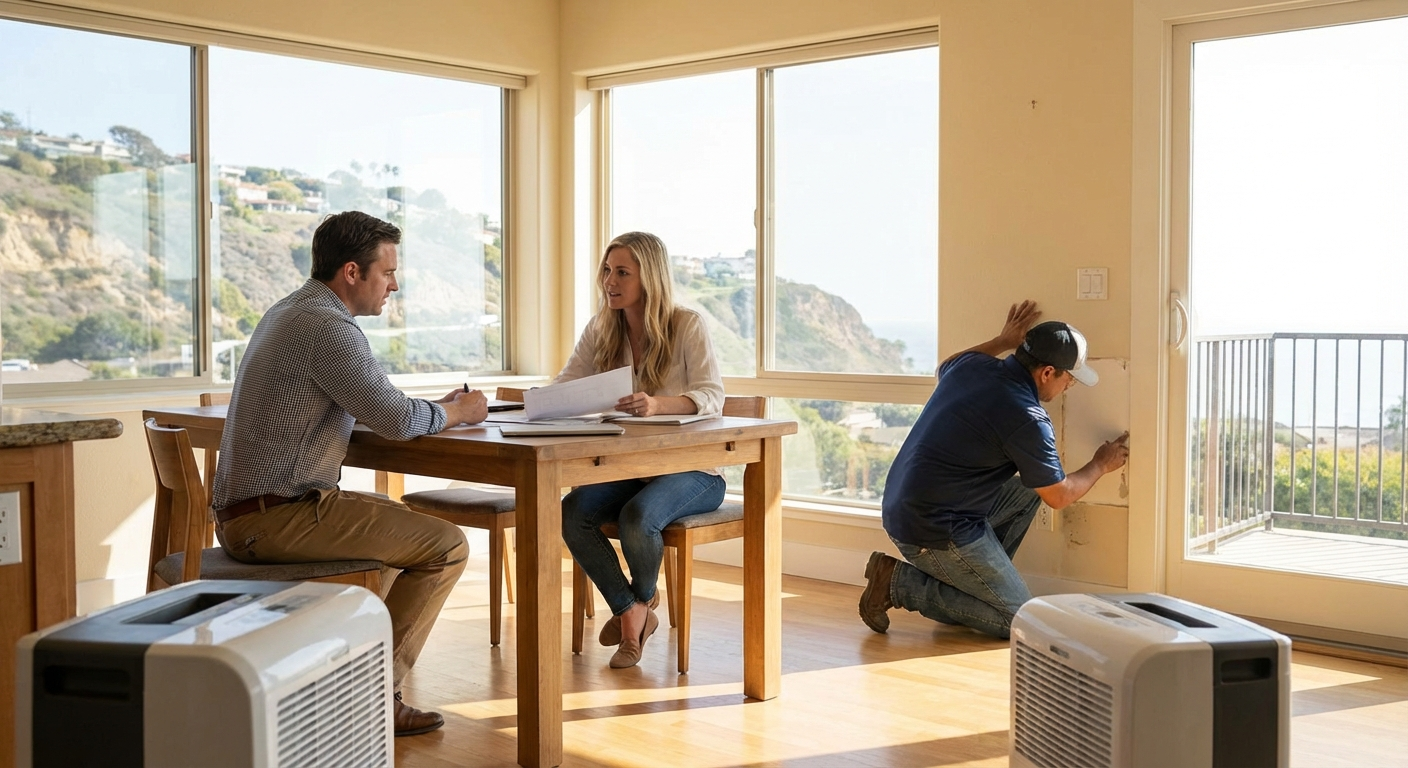
This is something most people miss. Even if the master policy covers the damage, sometimes the HOA can pass a portion of the repair costs directly to unit owners. This is called a “loss assessment.” For example, if a major flood impacts several units and the master policy has a high deductible – say, $25,000 or even $50,000 – the HOA might assess each unit owner a share of that deductible. Or, if the damage exceeds the master policy’s limits, you could be assessed for the difference.
Many HO-6 policies offer “loss assessment” coverage. This is incredibly important, especially in older buildings or areas prone to water issues, like coastal communities in Orange County or older high-rises in San Francisco. Make sure you have enough of this coverage. It can be a lifesaver when the HOA sends that unexpected bill.
California’s Shifting Sands: What It Means for Your Policy
Honestly, the insurance market in California feels like it’s been through a blender lately. You’ve probably seen the headlines. Major insurers like State Farm, Allstate, and Farmers have been pulling back, reducing their exposure, or simply not writing new policies in certain areas. Premiums for all types of property insurance, including condos, have jumped significantly – some folks have seen rates climb 40% or more between 2022 and 2024. This isn’t just about wildfires; it’s also about rising construction costs and, yes, water damage claims.
The FAIR Plan, California’s insurer of last resort, is often considered for wildfire risk, but it also provides basic fire coverage for condos. However, it’s not a full HO-6 policy. It won’t cover your personal property against water damage from a burst pipe, for example. So, if you’re struggling to find a traditional insurer, you might need a FAIR Plan policy for the fire portion and a separate “Difference in Conditions” policy to cover perils like water damage, theft, and liability. It’s a patchwork approach, and it’s definitely more complicated than it used to be.
This challenging market makes finding the right coverage even more important. You don’t want to discover you’re underinsured after a disaster. That’s why working with an experienced agent who understands the nuances of the California market is key. Someone like Karl Susman at Condo Insurance California, CA License #OB75129, has seen it all and can help you make sense of your options.
After the Flood: What to Do First
So, the worst happens. Water is everywhere. What’s your immediate game plan?
- Stop the Source: If it’s safe to do so, turn off the water. Find your unit’s main shut-off valve. If it’s a common area issue, alert your HOA or building management immediately.
- Document Everything: Grab your phone. Take photos and videos of the damage – before you touch anything. Get wide shots, then close-ups. Don’t throw anything away until your adjuster says it’s okay.
- Mitigate Further Damage: Again, if it’s safe, move furniture, soak up water, open windows. Don’t let mold set in if you can help it. Keep receipts for any drying equipment or services you hire.
- Notify Your HOA and Insurer: Call your HOA right away. Then, call your HO-6 insurance provider to report the claim. Be ready with your policy number and the details of what happened.
This initial response can seriously impact your claim’s outcome. Don’t delay.
Finding Your Peace of Mind
It can feel like a maze, trying to understand all the moving parts of condo insurance, especially with water damage. The language is dense, the rules are strict, and the market is volatile. But you don’t have to figure it out alone. An independent agent can look at your HOA’s master policy, assess your specific unit’s risks, and help you tailor an HO-6 policy that truly protects you – your belongings, your improvements, and your financial well-being.
Don’t wait until the water is pooling on your floor to understand your coverage. Getting it right now means real peace of mind later. Get a free, no-obligation condo insurance quote today.
Frequently Asked Questions About California Condo Water Damage Coverage
Does my HOA’s master policy cover water damage to my personal belongings?
Generally, no. The HOA’s master policy primarily covers the building’s structure and common areas. Your personal belongings – your furniture, clothes, electronics, etc. – are almost never covered by the master policy. That’s what your personal HO-6 condo insurance policy is for.
What if the water damage came from my upstairs neighbor’s unit? Who pays?
This is a common scenario. If the damage was due to your neighbor’s negligence (e.g., they left a faucet running), their liability insurance might pay for your damages. However, if it was a sudden, accidental event like a burst pipe within their unit, their policy might cover their unit’s damage, and your HO-6 policy would cover your personal property and any improvements in your unit. It can get complicated, so both you and your neighbor should file claims with your respective insurers.
My policy says “sudden and accidental discharge.” What does that mean?
It means the water damage happened unexpectedly and wasn’t something you could have prevented with regular maintenance. Think a burst pipe, an overflowing appliance, or a sudden leak. It generally does not cover damage that occurs slowly over time, like a persistent drip that causes rot or mold, because insurers consider that a maintenance issue.
Is mold damage covered by my HO-6 policy?
Mold coverage is tricky. If the mold is a direct result of a covered water damage event (like a sudden burst pipe), your policy might cover the mold remediation. However, most policies have specific limits for mold remediation, and some exclude it entirely if it’s due to gradual water leaks or poor maintenance. It’s really important to check your specific policy for mold endorsements or exclusions.
How can I make sure I have enough coverage in California’s difficult insurance market?
The best way is to work with an independent insurance agent who specializes in California condo insurance. They can review your HOA’s master policy, understand the specific risks in your area (like coastal flooding or older building systems), and help you tailor an HO-6 policy with adequate coverage limits, including loss assessment and liability. Don’t settle for a generic policy. It’s worth talking to an expert like Karl Susman at Condo Insurance California, CA License #OB75129, to ensure you’re truly protected.
Ready to finally understand your condo insurance and protect your home from water damage? Click here to get a personalized quote for your California condo.
This article is for informational purposes only and does not constitute financial advice.